
WearRepair
Brand identity and packaging
Masha had a genuinely good idea, a clothing-repair kit, and a real reason behind it. What she didn't have was a brand that would make a shop want to stock it and a shopper want to choose it. The work was turning a kitchen-table concept into something that earns its place on a shelf, and prices itself like a gift rather than a craft supply.
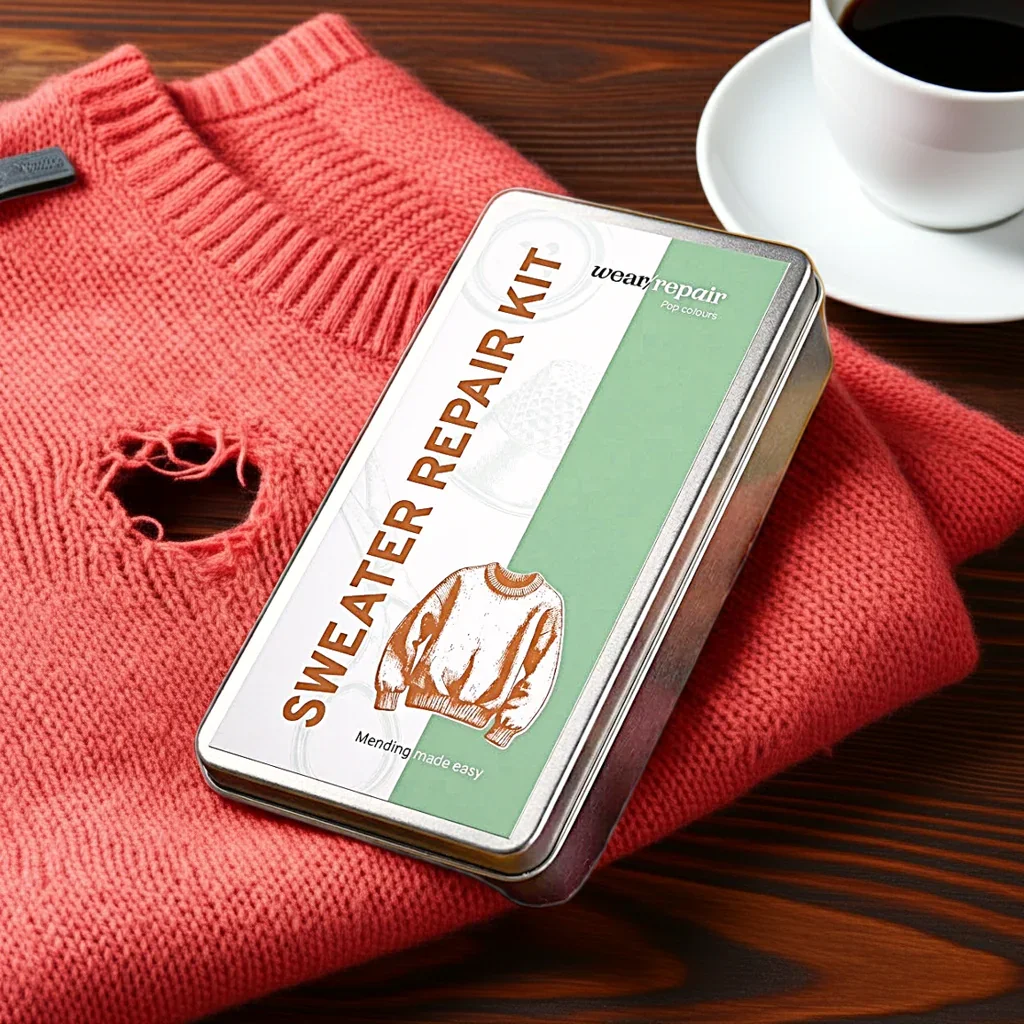
How it began
Masha is the founder of WearRepair, and she arrived with more than most. A clear product, a simple kit to felt a hole in a sweater closed, in natural wool, easy enough to do on the sofa in front of the TV. A real reason behind it, as a mum of three who wanted her kids to learn to repair things rather than throw them away. And the right instinct, that to be commercial this had to be a proper brand, not a homemade-looking pouch of materials.
What she didn't have yet was the brand. No logo, no identity, no packaging, and one open question that would decide everything downstream: who buys this, and where.
What changed
Before: a strong idea and a strong story, sold as loose materials, with no brand, no packaging, and no clear answer to who it's for or where it sells.
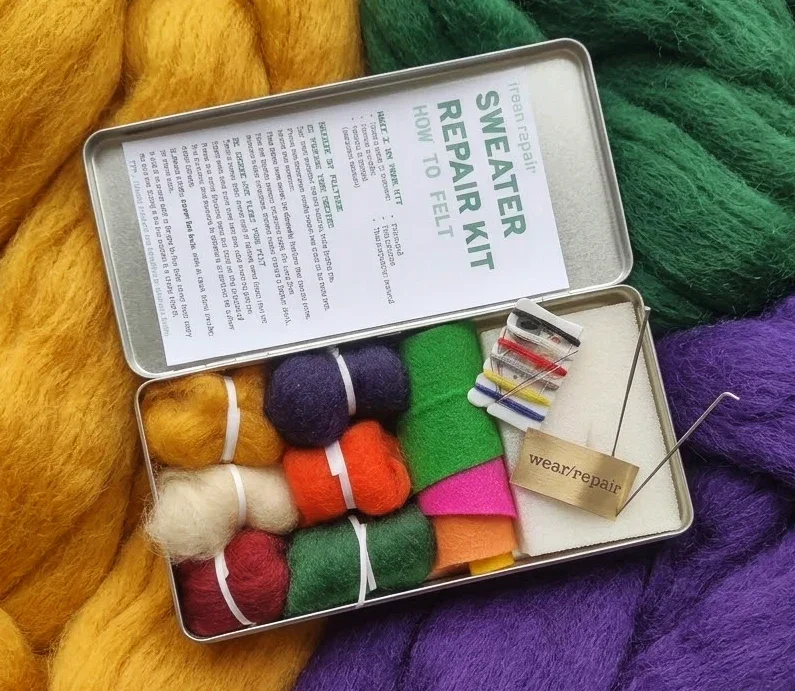
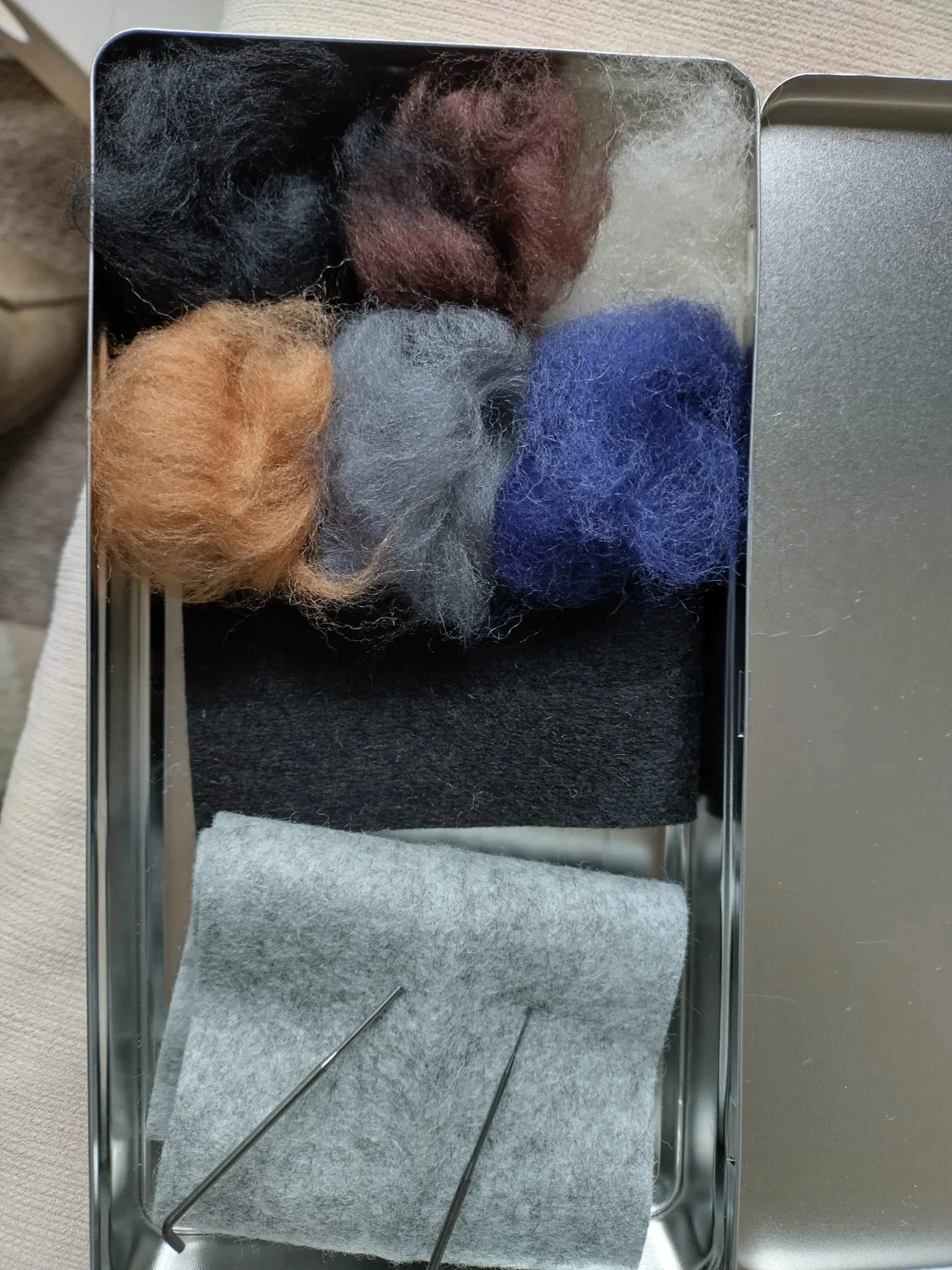
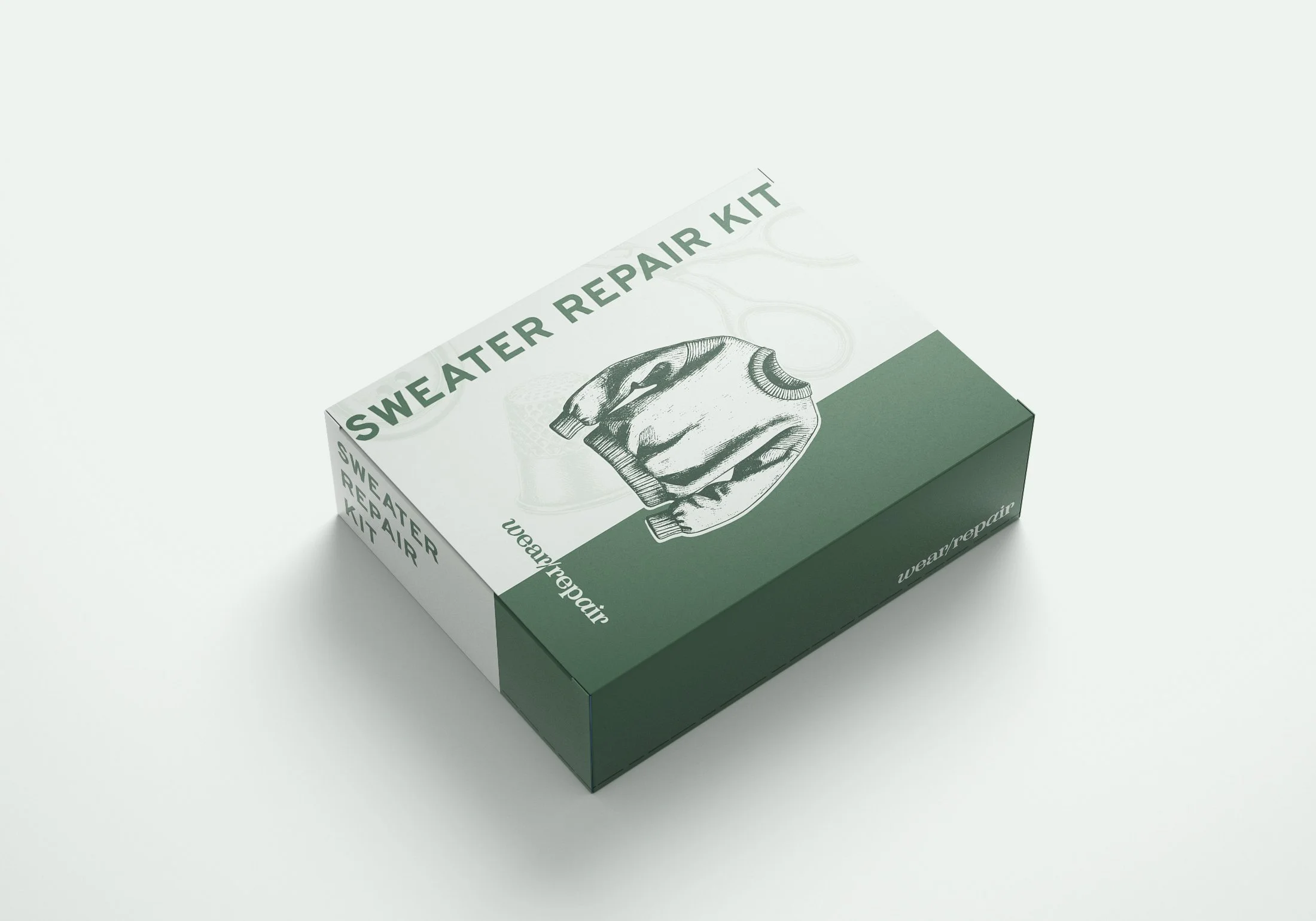
After: a full brand identity, two distinct giftable products with their own packaging and process leaflets, and a positioning that prices the kit like a gift instead of a craft supply.
"There are only so many candles you want to buy. Nobody needs another candle."
— Masha, on the early inspiration for WearRepair
How we got there
Two pieces did the work, the strategy and the brand sitting on top of it.
The strategy came first, because it shaped everything else. The obvious home for a repair kit is the craft aisle, next to the felt and the needles, competing on price with thin margins. We put it somewhere else entirely. On the gift shelf. A repair kit framed as a small, meaningful present, the thing you bring to a birthday or a dinner when you cannot face buying another candle, is a different product at a different price, even though the contents are identical. That one move changed the buyer, the price point and the margin in a single step.
From there the product split cleanly into two, sharing one brand:
An adult repair kit in a tin, neutral and grown-up, made for the gift shelf.
A kids' first sewing kit in recycled paper packaging, the same materials with different words, made for parents teaching a first skill.
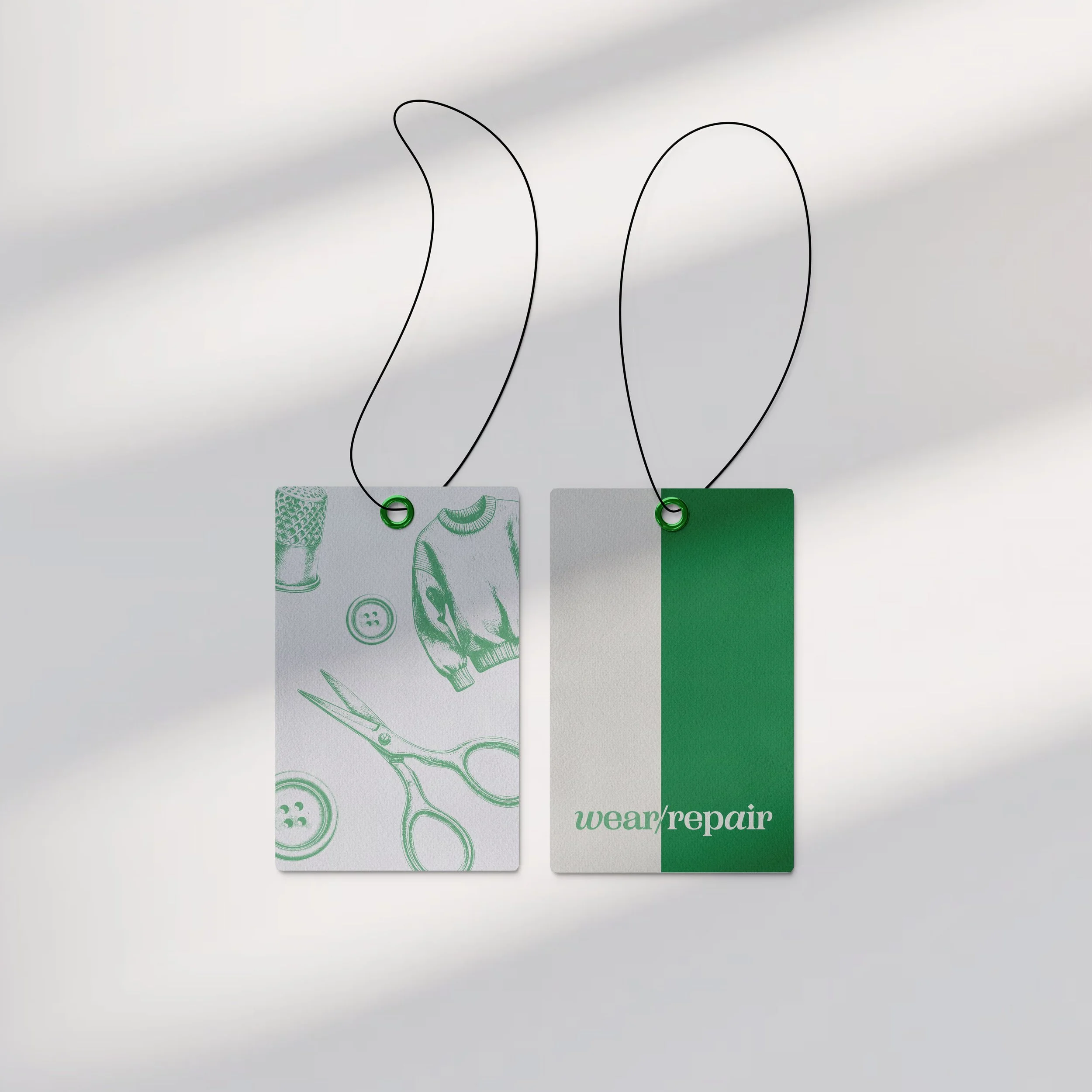
Then the brand itself. WearRepair had to feel cosy, useful and a little bit special, sustainable without lecturing anyone. The product is already sustainable by its nature, you repair instead of replacing, in natural wool, so the brand never needed to sell that part. It sells ease, charm and a small hit of pride instead. That was deliberate. Most people don't buy things to save the planet, they buy things they like, so the planet-friendly part rides along quietly inside something they actually want. I built the logo, the identity and the packaging around that, including the leaflets that show, simply, how to make the repair.
I didn't build the website, but I handed Masha the brand assets to carry it through there too, so the look stays consistent from shelf to screen.
What it adds up to
Masha's own bar was that to be commercial, it had to be a brand. That is exactly what changed. A loose set of materials became something a shop can stock, a shopper can gift, and a business can grow, with two product lines already in place and room for more. And every kit sold is quietly a sweater not thrown away, which was the whole point, just never the sales pitch.
"To make it commercial, you need to have a brand. But besides the branding, I feel like I got a personal trainer. If I didn't have you, I'd probably still be thinking about it until October."
— Masha, founder of WearRepair